
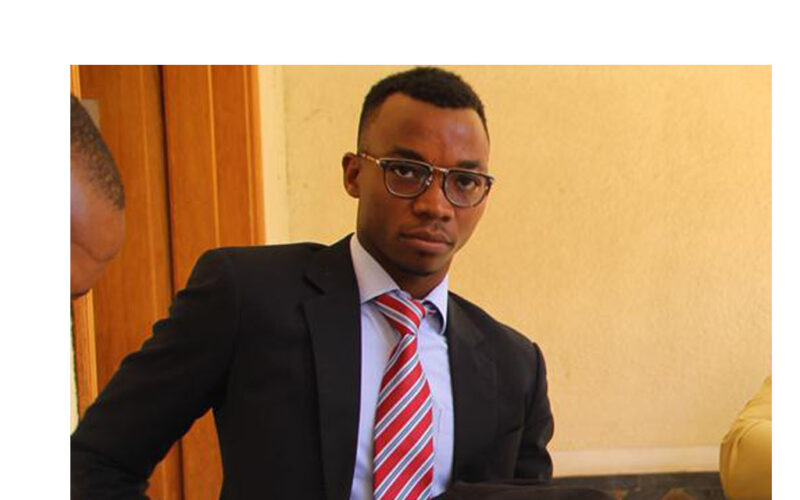
Allexer Namundjebo
Lawyer Kadhila Amoomo has called on inspector general of the Namibian Police Joseph Shikongo to urgently implement structural and mental health reforms within the force.
The call follows an incident in Khomasdal in which police officer Ivanoi Inacio Vatilifa (39) allegedly shot and injured his 36-year-old girlfriend with a service pistol during an argument.
He later turned the gun on himself and died from his injuries on Saturday.
Monday, Amoomo expressed condolences to affected families and said years of close professional engagement with the police system had shown that internal reforms are long overdue.
“The news on Police Officer Ivano is saddening. We hope your members find comfort,” Amoomo said, adding that his firm’s nearly 15 years of criminal law practice has given him insight into the operational and psychological pressures faced by officers.
He warned against keeping officers in the same divisions for extended periods and said members should not remain in one unit for more than 10 years.
“When members stay too long in one division, they become comfortable and sometimes form unhealthy relationships with suspects. This is dangerous for both the officer and the justice system,” Amoomo said.
He also called for compulsory mental health support within the force and proposed that officers should not be promoted unless they complete a set number of mental health sessions.
“We have hundreds of unemployed psychology graduates in this country. Use them. Mental health must be prioritised, not treated as optional,” Amoomo said.
Amoomo further urged improved recognition and promotion pathways for officers in the criminal investigation division and serious crime units, describing their work as “dangerous, traumatic and demoralising”.
“These members face real danger daily. We see how Special Forces are ranked and supported. The same must be done for CID and serious crime,” she said.
He also proposed compulsory sabbaticals every three to four years for officers serving in high-risk units to allow time for studies, rest or spiritual renewal.
Police leadership has previously acknowledged that officers are regularly exposed to trauma, violence and high-pressure environments, factors linked to mental health crises in law enforcement.
Amoomo said his call should not be seen as an attack on the police but as an appeal to protect officers and the communities they serve.
Concerns about the welfare, pay and working conditions of police officers have been raised repeatedly in Namibia.
In April last year, Immanuel Nashinge of the Independent Patriots for Change (IPC) used his maiden speech in the National Assembly to call for better salaries, housing and working conditions for police officers, warning that poor support was undermining morale and contributing to staff turnover.
Within the police force, efforts have been made to address salary and rank disparities.
In 2023, the Namibian Police introduced the rank of senior inspector to narrow pay gaps between inspectors and chief inspectors, though some officers questioned whether broader improvements would have greater impact.


