
Renthia Kaimbi
Namibia is close to establishing its first Small Claims Court. The court aims to expedite justice and decrease the expenses associated with resolving minor civil disputes.
The office of the judiciary has confirmed that justice minister Fillemon Wise Immanuel is finalising legislation to create the court, with the bill expected to be tabled in parliament later this year.
The cabinet gave the initiative urgent priority in late 2024.
The proposed Small Claims Court is intended to address long-standing challenges linked to high legal costs and delays in the justice system.
It will deal with everyday disputes such as small unpaid debts, consumer complaints and minor property damage, where the amounts involved are limited.
Under the proposed model, individuals will be able to represent themselves without lawyers.
The court will rely on simplified procedures to resolve cases quickly and at low cost.
“This reform is fundamentally about access to justice. It will empower citizens to resolve minor disputes efficiently while freeing our magistrate courts to focus on more serious matters,” a senior judicial official told the Windhoek Observer on Tuesday.
The move forms part of efforts to strengthen Namibia’s legal system.
Reports from 2024 indicated that the government has prioritised a programme to clear the backlog of deceased estates at the Master of the High Court.
The programme also targets delays at the Government Institutions Pension Fund to ensure estates are finalised faster.
Other measures include reviewing trust account regulations to protect the public from abuse by legal practitioners.
The government also plans to improve the management of the Guardian Fund and fill vacancies in the legal sector to speed up cases and improve access to justice.
For the current financial year, the judiciary has been allocated about N$600.97 million.
The funding supports the construction of new magistrates’ courts, the establishment of specialised courts for environmental crimes and the filling of more than 30 judicial vacancies to reduce case backlogs.
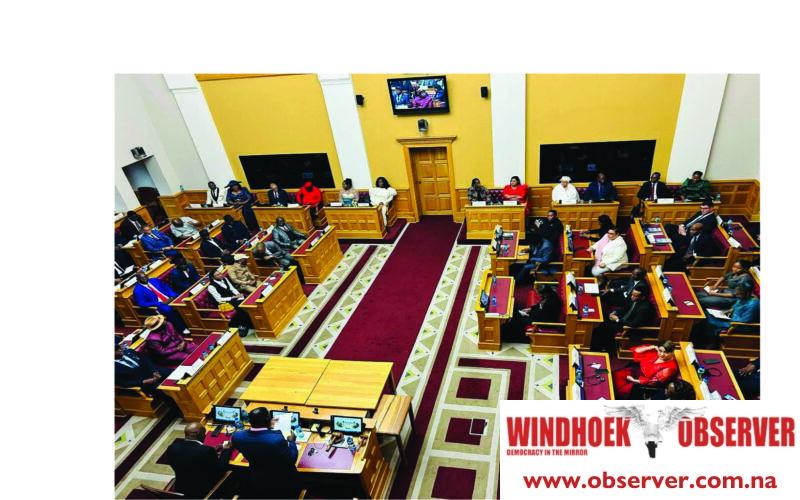
The Small Claims Court bill is expected to form part of the legislative agenda when Parliament opens next month.
Once tabled, it will go through debate and possible amendments in both the National Assembly and the National Council.
Political figures, including Affirmative Repositioning (AR) Job Amupanda, have previously called for the creation of a small claims court, arguing that it would make the justice system more responsive to ordinary citizens.
If passed by Parliament, the bill will be sent to President Netumbo Nandi-Ndaitwah for final approval.


