
Allexer Namundjembo
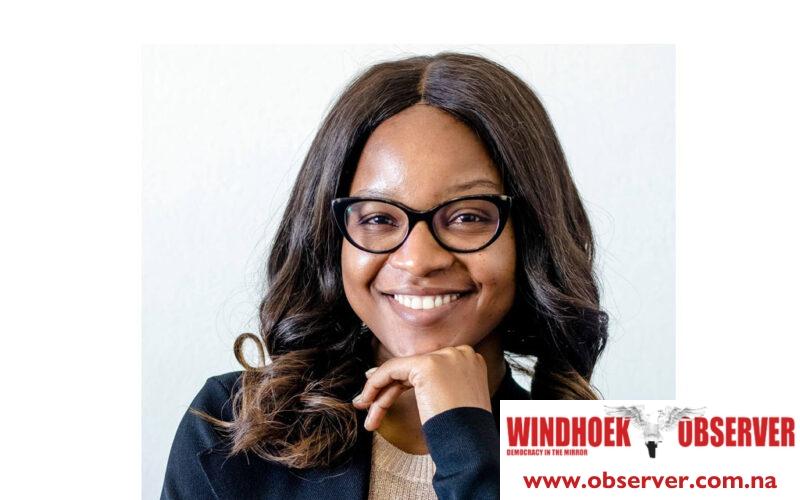
Popular Democratic Movement (PDM) member of parliament Winnie Moongo has questioned the government’s spending on workshops, conferences and high-level committees.
Moongo is asking whether these activities deliver results at a time of tight public finances.
In a notice submitted to Parliament on Wednesday, Moongo said the government continues to spend public funds and time on engagements that revisit the same issues each year, often without clear plans for implementation or measurable outcomes.
“These engagements are routinely convened on the same issues, with little regard for value for money or tangible results,” Moongo said.
She said the growing number of committees and task teams often duplicate skills that already exist within government ministries, agencies and state institutions.
Namibia, she noted, has qualified technocrats and advisors who can provide guidance without adding costs for taxpayers.
Moongo said she will ask prime minister Elijah Ngurare next month how much public money has been spent on workshops, conferences and committees in the current financial year and what outcomes can be directly linked to those activities.
She also wants clarity on why high-level committees are formed when similar expertise already exists, how recommendations from workshops are implemented and assessed and who takes responsibility when meetings end without results.
“Who is held accountable when workshops and conferences conclude without tangible deliverables, and what consequences exist for failing to translate discussions into real-time action?” Moongo asked.
She called on the government to move away from a culture focused on meetings and toward execution, delivery and outcomes that improve the lives of ordinary Namibians.
Her notice adds to growing scrutiny in Parliament over how public funds are used, with lawmakers demanding results rather than process.
Political analysts have also questioned the expanding number of committees and advisors in government.
Political analyst Rui Tyitende said last month that the government has “a plethora of committees, advisers, executive directors and special advisers”, describing the structure as “bloated” and warning that many bodies repeat work already done by ministries and agencies.
The debate comes amid increasing fiscal pressure. In October last year, finance minister Ericah Shafudah announced a projected budget shortfall of N$3.2 billion for the 2025/26 financial year, pointing to the need for careful use of limited resources as debt costs rise.
Audits and financial reviews have also highlighted ongoing weaknesses in public sector financial management, including concerns about accountability and oversight of government spending, and strengthening calls for spending that delivers clear benefits to citizens.


