
Renthia Kaimbi
Fishing industry stakeholders have urged the government not to restrict freezer vessel operations, warning that such a move could affect exports, jobs and competitiveness.
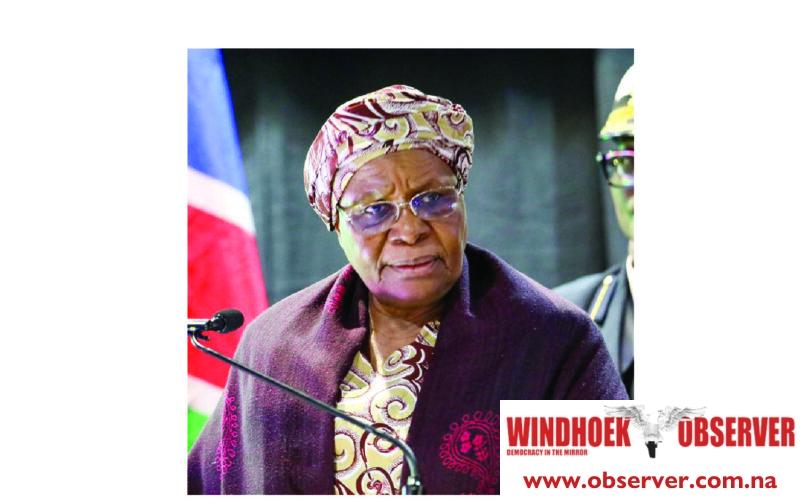
The concerns were raised during an engagement with Netumbo Nandi-Ndaitwah in Walvis Bay on Wednesday, where industry players met with the government to discuss the future of the sector under the sixth National Development Plan (NDP6).
Stakeholders said freezer operations are key to maintaining Namibia’s position in regional and international markets.
They said demand in Africa remains focused on whole round frozen horse mackerel.
“Restricting freezer operations would have immediate consequences for Namibia’s export markets,” industry representatives said, noting that countries such as Morocco and Mauritania could fill supply gaps.
They said horse mackerel is sold in the same form whether processed at sea or on land. They argued that forcing value addition increases costs without raising market value.
Sea-frozen horse mackerel remains in demand in markets such as Zambia and the Democratic Republic of Congo due to its longer shelf life and ability to withstand long transport routes.
“Blanket value addition policies do not fit all fisheries,” industry representatives said, warning that forcing more onshore processing could reduce export earnings and affect jobs.
The horse mackerel sector generates more than N$2.8 billion in export revenue each year. The government receives about N$600 million in taxes and levies and more than N$500 million in quota fees.
Stakeholders said the sector contributes about N$1.5 billion to the economy, with more than N$3.5 billion invested in vessels and infrastructure.
They also raised concerns about the auctioning of government quotas. They said the system allows foreign operators to enter the market without meeting the same requirements as local companies.
They called for quota allocations to favour existing Namibian operators to support stability and investment.
Industry representatives acknowledged concerns about sustainability, including by-catch and pressure on fish stocks. They said these issues should be addressed through monitoring and regulation rather than restrictions.
Nandi-Ndaitwah said the engagement aims to gather input from both workers and companies.
“We are here to listen, to understand and to reflect together on the way forward,” she said.
“Your inputs will help us carry the industry forward.”
She said the fishing sector remains a key part of the economy and described it as a “strategic national asset” for jobs, food security and foreign exchange.
Nandi-Ndaitwah said the sector is undergoing changes that affect operations and livelihoods.
She called on stakeholders to engage openly on challenges and solutions.
As part of her visit, she is expected to tour the Vessel Monitoring System Center, inspect the research vessel Mirabilis, and visit fishing factories.
The consultations are expected to guide government decisions on balancing growth, sustainability and employment in the sector.


