
Chamwe Kaira
The Bank of Namibia (BoN) is preparing to sign agreements with local gold producers as it moves to implement its gold accumulation strategy.
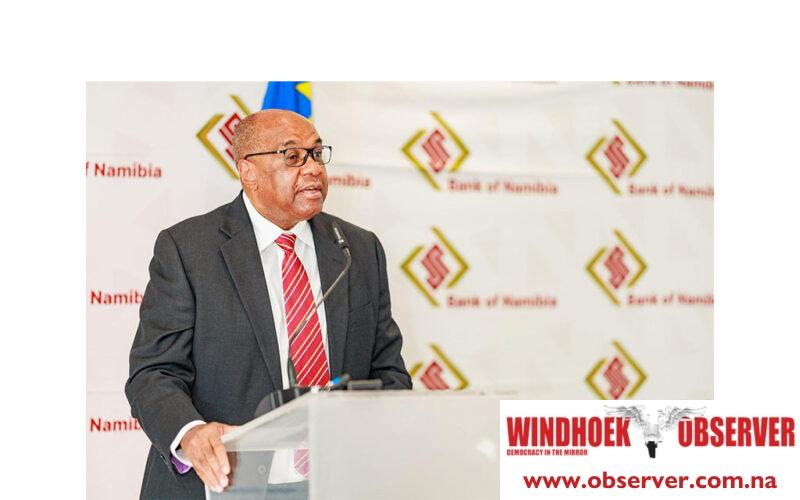
BoN outgoing governor Johannes !Gawaxab revealed progress at his farewell dinner.
!Gawaxab said the central bank is now ready to proceed with the long-delayed plan and admitted that he did not provide enough leadership when the strategy was introduced in 2023.
“We needed to diversify our reserves. The price of gold at that time was US$1 800 per ounce. We were so risk-averse. Now the price is US$4 400 per ounce, and by year-end it is expected to be US$5 000 per ounce,” he said.
“That is one of the areas where I should have provided leadership. We scared ourselves. We are about to sign the contracts.”
The gold accumulation strategy seeks to diversify Namibia’s foreign exchange reserves and support economic stability.
Gold will make up about 3% of the central bank’s reserves and will be sourced from local mines. The metal will be held in Namibia as London Bullion Market Association–approved bars with 99.9% purity.
BoN sees gold as a strategic asset and a hedge against inflation, at a time when central banks worldwide are increasing their gold holdings due to dedollarization, rising geopolitical tensions, and persistent inflation. Global gold prices have reached record highs as investors seek safe assets.
Reflecting on his term, !Gawaxab said none of the three Namibian presidents instructed him on central bank matters.
He said this showed the institution’s independence. He stepped down a year before his contract ended, keeping to a family decision that he would serve only one term.
!Gawaxab took office during the Covid-19 pandemic, when the economy contracted by 8.1% and about 30 000 Namibians lost their jobs.
During his five years, the bank held 35 monetary policy meetings, leaving the repo rate unchanged 19 times, raising it nine times and cutting it seven times.
He highlighted several achievements, including the repayment of the US$750 million eurobond and the enactment of the Banking Institutions Act of 2023.
The law strengthened the authority of local boards and CEOs of Namibian subsidiaries of South African banks. It also states that no South African-based official may make credit decisions for Namibian banks without BoN approval.
He said the central bank paid N$750 million in dividends to the state during his time in office.


