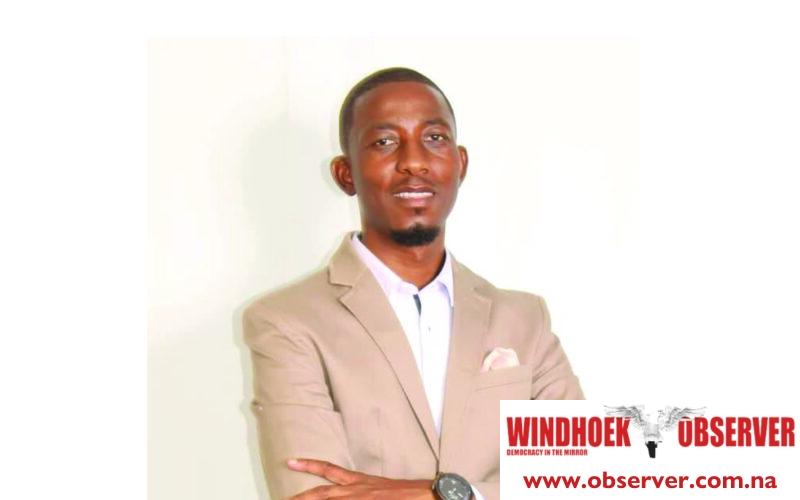
Sem Billy David
Windhoek is a city of sharp contrasts: a two-faced city. On one side, there are modern suburbs with smooth roads, bright streetlights, shopping malls, and neatly planned houses. On the other side, there are vast informal settlements, where thousands of people live in shacks without proper water, toilets, electricity, or safe roads. These two realities stand side by side, often just a few kilometres apart.
Many residents have started calling it a “two-face city”. The question is: Does it have to stay this way? And more specifically: can the Windhoek City Council decide to prioritise informal settlements for just one year as a bold step towards closing this painful gap? For the past few years, I have been attending City Council meetings. In all that time, I have not seen any true innovative approach when it comes to priorities, focus, budget allocation, or discussion aimed specifically at improving living conditions in informal settlements. There has never been a dedicated agenda that focuses only on informal settlements, with the clear goal of closing the gap and ensuring that all residents of Windhoek are treated equally.
Life on the other side of the city
For people living in informal settlements, every day is a struggle for basics that many others take for granted. Parents walk long distances to get their children to school. Sick people queue at overcrowded clinics that are hard to reach. For many residents in Windhoek’s informal settlements, daily life is a struggle marked by long walks to fetch water from community taps and the constant insecurity of living on land they do not own. Year after year, the city administration speaks about development, yet the process of formalising informal settlements remains slow, confused, or completely absent from serious discussion. In all the council meetings I have attended, there has not been a single dedicated agenda item focused on how to systematically formalise these communities.
Residents are treated as if it were normal and acceptable to live in shacks, even though we know the consequences: flooding that wipes out homes; fire that destroys property; diseases linked to poor sanitation; and, tragically, lives lost almost every year. When these incidents happen, we see sympathy statements and political speeches, but no sustained, practical action that changes conditions on the ground. Everything becomes politicised, while the people most affected are left waiting. How can we hope to close the “two-faced” look of our city if we only prioritise the projects that are easy to do, that look good on paper or in photographs, and that fit neatly into existing systems? Real equality means being willing to make informal settlements the number one topic on the agenda, not an afterthought or an item squeezed in at the end of a long meeting.
I long to see a day when all councillors leave their comfortable chambers and hold meetings in the heart of the informal settlements. Let them sit with residents, listen carefully, and record the real problem statements from those who live this reality every day. Then let them return to City Council and dedicate an entire evening – or many evenings – to discussing nothing but informal settlements: formalisation, services, safety, land security, and dignity. Why are we forcing a system that is clearly failing so many people and then expecting them to quietly accept it? If we are serious about building one city instead of a two-faced city, then informal settlements must move from the margins of our discussions to the very centre of our planning, budgeting, and political will.
Shared or broken toilets create health risks. People are killed while walking in darkness and in riverbeds helping themselves and lose their hard-earned money and properties to thieves. Young people sit at home, desperate for jobs, skills, or even a safe space to study. Even though there have been some efforts made by government, churches and community groups, progress feels slow compared to the speed at which the city is growing.
What would one year of real priority look like?
Prioritising informal settlements for one year does not mean abandoning the rest of Windhoek. It means making a conscious decision:
For the next 12 months, the people in the most vulnerable areas come first.
A focused, one-year plan could include:
- Basic services first
A clear programme to increase access to land ownership, safe water points, proper sanitation, and electricity in the largest scale of informal settlements (not just portioning here and there). Even small improvements in these areas can drastically change their daily life. - Planning and upgrading
Proper mapping of settlements, opening and grading access roads, and – where possible – giving people more secure land tenure. This would also help emergency vehicles, schools, clinics and businesses reach these communities. - Safer, dignified shelter
Working with community leaders, NGOs and private partners to support residents in replacing dangerous structures with safer, more durable options. - Opportunities for youth and families
Creating spaces for small businesses, markets and workshops; linking young people to skills training, technology programmes and job opportunities. Instead of only seeing shacks, we start seeing human potential. - Listening to the people
Real change cannot be planned from an office alone. Residents, informal settlement committees, activists and local leaders must be involved in decisions, follow-ups and monitoring. They know their needs best.
Why does this matter to the whole city?
Some may ask, ‘Why should so much attention go to informal settlements?’ The answer is simple: because the wellbeing of one part of the city is tied to the wellbeing of all.
- Public health: Poor sanitation and overcrowding can lead to diseases that spread beyond one area.
- Safety and security: Where poverty and neglect are deepest, crime and social problems often grow – and they do not stay contained.
- Economy: Informal settlement residents are workers, traders, customers and entrepreneurs. When they are supported, the whole city’s economy benefits.
- Social cohesion: A city that visibly includes its poorest residents builds trust, unity and pride. A city that ignores them builds anger, frustration and division.
In short, prioritising informal settlements is not charity. It is an investment in a healthier, safer, fairer Windhoek.
A question of political will
Technically, it is possible to focus the city’s energy and resources on informal settlements for a year. The real question is whether there is enough political will and moral courage to do so.
Will the City Council:
- Ring-fence a meaningful share of the budget specifically for informal settlement upgrading?
- Be ready to delay some less urgent or prestigious projects in order to meet urgent human needs first?
- Set clear targets and timelines – and then report openly to the public on what has been done, area by area?
Citizens also have a role to play. Community activists, churches, youth groups and ordinary residents can keep raising their voices, insisting that this issue stay at the top of the agenda. Democracy does not end at the ballot box; it continues when communities hold leaders accountable and offer practical solutions.
Towards one face, one city
Windhoek does not have to remain a city with two faces.
If we choose to, we can make the next year a turning point – a year in which the city openly declares: “Those who have been left behind will now come first.” That would not fix every problem in 12 months, but it would send a powerful message of dignity and belonging. The informal settlements of today can become the integrated, vibrant neighbourhoods of tomorrow – places with schools, clinics, small businesses, churches, internet hubs, sports fields and safe homes.
In the end, the question is not just: can Windhoek City Council prioritise informal settlements for one year? The deeper question is: will we, as a city, accept living with two faces – or will we finally decide to build one, united Windhoek where every resident counts?
- This does not mean they are doing well, but rather sends a message that if they don’t prioritise informal settlements, there will come a time when the challenges in those areas will escalate and become difficult to tackle or manage.
*Sem Billy David is a youth and community leader who has lived in Windhoek for more than 20 years.