
Renthia Kaimbi
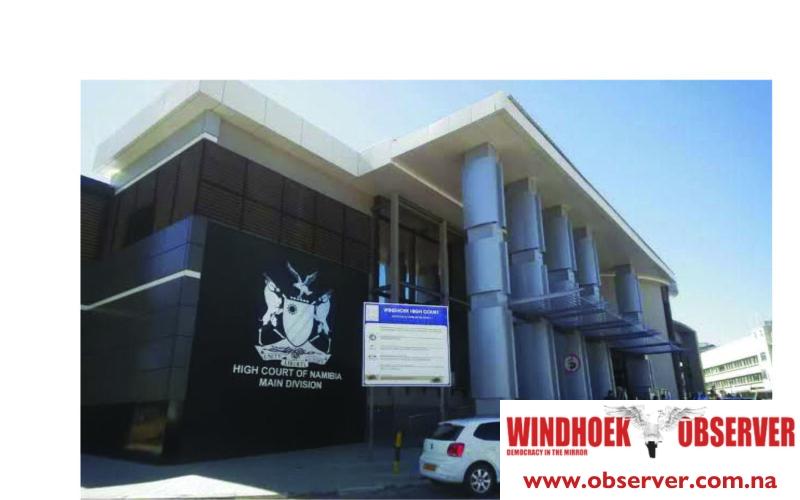
The High Court has directed finance minister Ericah Shafudah not to interfere with the loading of new deductions onto the government’s payroll deductions management system (PDMS).
The order, issued by High Court deputy judge president Hannelie Prinsloo on Friday, blocks the ministry’s plan to stop all new deductions on the system.
Prinsloo granted permission for the PDMS to continue its operations until the hearing of the review application on 6 March 2026. The decision does not prevent the government from taking over the system later.
The finance ministry plans to discontinue the use of deduction codes that allow microlenders such as Entrépo Finance to deduct loan repayments directly from the salaries of government employees.
The system is currently managed by Avril Payroll Deduction Management, a private contractor whose agreement with the government expired yesterday.
The ministry has declared that it will not extend the contract and will assume internal control of the system.
Finance Ministry executive director Michael Humavindu has said the government can save about N$11.5 million a month by managing the system itself.
He said the ministry now has the internal capacity to run the PDMS. It also emerged that payroll deductions for microloans conflict with the Namibian Labour Act.
The government already runs deductions for the Government Institutions Pension Fund (GIPF) and the Social Security Commission (SSC).
If it takes over discretionary payments such as microloan repayments, these deductions will fall under laws including section 12 of the Labour Act and the affordability standards in the Microlending Act of 2018.
These standards require microlenders to ensure loan repayments do not exceed 50% of a borrower’s take-home pay.
Entrépo, led by group chief executive officer Leonard Louw, challenged the ministry’s decision in court.
The company contended that the ministry’s decision to stop the deduction codes was irrational and irregular, denying those affected a chance to express their views.
In October, when Entrépo took legal action against Shafudah, the company stated that it, along with other deduction code holders and unions representing government employees and public service workers, was not given a chance to speak to the finance minister before the decision to stop the payroll deductions management system was made.
The payroll deductions system has been in place since 2003, and Entrépo has held a deduction code since 2013.
The system helps make sure the finance ministry’s rules on payroll deductions are followed and that loans taken by government workers are affordable.
One key rule says employees must take home at least 35% of their basic salary, or N$1 200, after all deductions, whichever is higher.
Entrépo said that over the past 18 months, 47% of the money from its microloans went to education, 12% to housing, 11% to business needs, and about 5% to medical costs.
Prinsloo’s order did not include detailed reasons, which she will provide later.
This means the core legal issue of whether discretionary microloan deductions are lawful under the Labour Act remains unresolved for now.


