
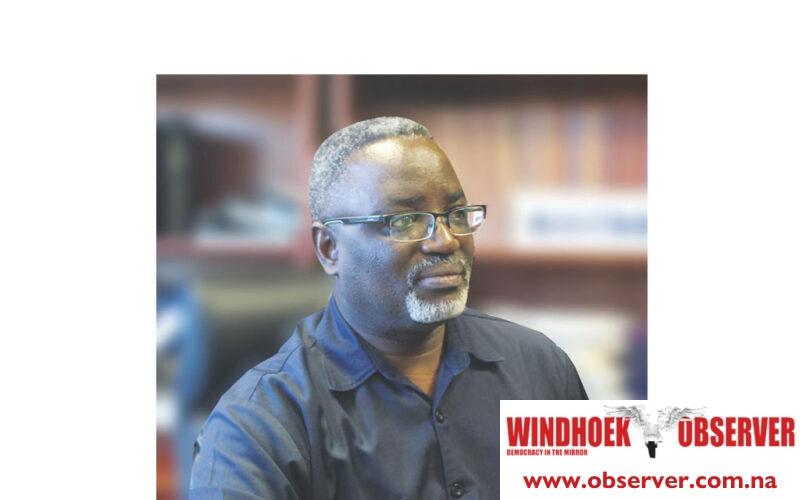
PAUL T. SHIPALE (with inputs by Folito Nghitongovali Diawara Gaspar)
In traditional African communities, pressing challenges were addressed by councils of elders – small groups of trusted, wise individuals who diagnosed problems and proposed solutions. Modern African governments have mirrored this model through task forces: ad hoc committees created to tackle crises in health, economics, corruption, energy, and national security. Typically appointed by presidents, cabinets, or ministers, these bodies are meant to act faster than bureaucracy, mobilise expertise, and recommend actionable reforms.
Task forces in theory and reality
At their best, task forces are problem-solving engines that:
• Gather high-level experts and policymakers.
• Analyse issues using evidence and data.
• Coordinate across ministries to implement solutions.
• Deliver recommendations within clear timelines.
In practice, however, many African task forces reflect entrenched privilege rather than inclusivity. Those most affected – informal traders, communal farmers, nurses, teachers, youth, and residents of informal settlements – are often absent. The result is policies disconnected from reality, with reports that gather dust while systemic problems persist.
Common patterns across Africa
1. Elite Domination: Committees are often run from capitals, privileging politicians, academics, and business leaders.
2. Community Exclusion: Ordinary citizens rarely have a voice, weakening trust and practical outcomes.
3. Symbolic Politics: Some task forces exist to signal action, not produce it.
4. High Impact When Done Right: Where leadership is inclusive, accountable, and evidence-driven, task forces can deliver transformative results.
Why task forces matter
Effective task forces can:
• Cut through bureaucratic delays.
• Focus expertise on priority problems.
• Build public confidence.
• Coordinate multiple stakeholders for faster results.
When inclusive and well-managed, they become engines of reform rather than mere symbols of action.
Successful models: Lessons from Ghana, South Africa, and Rwanda
The late President John Atta Mills of Ghana demonstrated that task forces can genuinely transform governance:
• Focused: Each task force had a clear, specific mission.
• Evidence-driven: Policies were guided by measurable indicators and timelines.
• Inclusive: Frontline workers contributed directly to problem-solving.
• Technocratic: Members were selected for expertise, not political loyalty.
The results were tangible: stronger revenue collection, reduced corruption, streamlined port operations, and improved inter-agency coordination. Similar lessons emerge from South Africa and Rwanda, where inclusion and accountability built trust and delivered measurable progress.
Namibia’s Task Forces: A hopeful start, but challenges remain
President Nandi-Ndaitwah has launched task forces on economic recovery, health, and housing & land, all urgent national priorities. The administration’s rhetoric of unity and collaboration is promising, yet early signs reflect familiar continental challenges:
• Urban-Centric & Elite-Dominated: Windhoek’s elites largely control decisions.
• Disconnected from Reality: Frontline workers, informal traders, youth, and settlement residents are largely absent.
• Risk of Symbolism: Without broad participation, reports may impress on paper but fail to deliver impact.
Sector-specific gaps
Economic Recovery: SMEs, informal economy actors, and youth innovators are excluded from the very engines of grassroots growth.
Health Reform: Nurses and frontline staff, who experience shortages and burnout daily, are missing from discussions.
Housing & Land: Residents of informal settlements and struggling tenants are unheard, limiting actionable insight.
A task force cannot tackle inequality if it excludes those who live it every day.
Toward Real Impact: Ethical and Practical Guidelines
1. Representation Is Mandatory: Policy without the people is policy against the people.
2. Inclusion Must Be Actionable, Not Performative: Token participation undermines legitimacy and effectiveness.
3. Transparency and Accountability Are Non-Negotiable: Without them, trust evaporates and reform stalls.
Namibia can transform its task forces into engines of reform by:
1. Breaking the Windhoek elite monopoly.
2. Integrating community voices, frontline staff, and youth perspectives.
3. Establishing measurable goals, public timelines, and independent oversight.
Real reform is not committees on paper; it is restructuring power, influence, and accountability.
Conclusion: The hard question
Task forces are neither inherently effective nor ineffective. Their success depends on focus, inclusivity, accountability, and empowerment. Ghana has proven the model. Namibia now has a choice:
Will it replicate elite-driven, urban-centric task forces that produce unread reports, or will it embrace discomfort and inclusion to create solutions that actually work?
The answer will determine whether Namibia’s task forces become engines of transformative reforms and/or exercises in performative governance.
Disclaimer: The opinions expressed here do not necessarily reflect those of our employers or this newspaper but are solely our personal views as citizens and Pan-Africanists.