Allexer Namundjembo
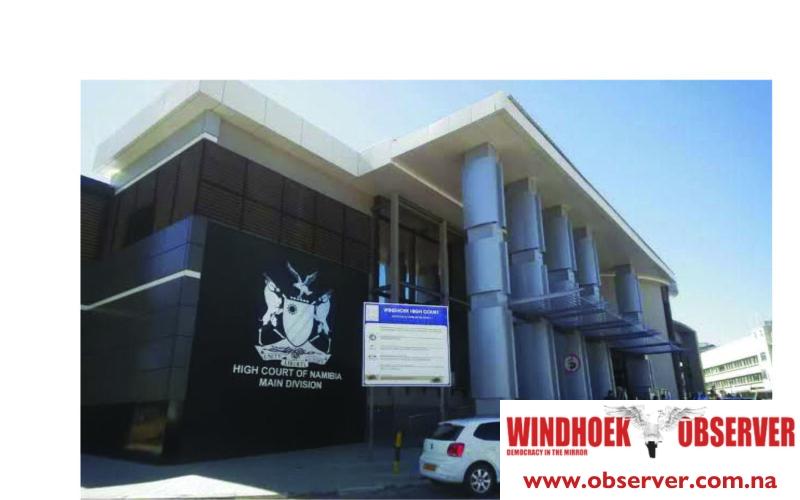
Eighteen inmates at the Windhoek Correctional Facility have filed an urgent application in the High Court to challenge a decision by the Namibian Correctional Service (NCS) to reduce their weekday study time from six hours to two.
The urgent case was filed last week. The applicants are long-term inmates enrolled with various tertiary institutions. They are represented by Ujama Tjingee.
In their founding affidavit, the inmates state that they enrolled at tertiary institutions while serving their sentences with permission from prison authorities.
“Whilst serving our respective sentences, we undertook to enrol with various institutions of tertiary education for different programmes, which we have been doing under the permission of the respondents.”
They say they were previously allowed to use an education laboratory under supervision. They accessed online learning platforms using personal laptops and restricted internet connectivity.
“Under this arrangement, we were able to attend recorded classes, conduct academic research, complete assignments and prepare for assessments for approximately six hours per day.”
The inmates state that the situation changed after a new head of educational services was appointed at the facility in May 2025.
According to court documents, by June 2025, access had been reduced to as little as one hour on some days.
On 12 January 2026, they say study time was formally limited to two hours per day.
The inmates argue that the facility’s officials told them the reduction was due to a new policy that prevents inmates of different security classifications from mixing. The applicants dispute this explanation.
“No written directive has been provided to us in this regard, and the alleged segregation continues to be disregarded in other areas of the facility, including industrial workshops and communal areas where inmates of different classifications interact without incident.”
They state that they raised concerns with prison officials, both verbally and in writing, including complaints about unreliable internet access.
“Our complaints and requests for assistance were not meaningfully responded to by the respondents.”
They argue that the decision was taken without giving them a chance to respond.
“The decision to reduce our study time was taken without consulting us and without giving us any opportunity to make representations.”
The inmates also describe the decision as unlawful.
“The respondents’ conduct is unreasonable, irrational and amounts to administrative action taken in bad faith.”
“The reduction of study hours undermines the objectives of rehabilitation and reintegration envisaged by the Correctional Service Act, which actively encourages education and training programmes for offenders.”
They also state that senior NCS leadership previously supported higher education and expanded study facilities.
“We were given a legitimate expectation that the existing study arrangements and access to educational resources would be maintained.”
The inmates say the reduction has already affected their academic performance.
“Some of us have failed modules as a direct result of inadequate study time and limited access to academic resources. Poor academic performance may result in the loss of financial assistance and will negatively affect our prospects of successful reintegration into society.”
The respondents include senior officials at the facility, the commissioner general of NSC, Raphael Hamunyela and the minister responsible for administering the Correctional Service Act, Lucia Iipumbu.
This is not the first legal challenge over access to education in prison. In 2024, 18 inmates successfully challenged the withdrawal of internet dongles and laptops used for online study after the High Court found that they had not been given a hearing before the privileges were removed.