
Chamwe Kaira
The continued occurrence of foot-and-mouth disease (FMD) in Southern Africa is a major concern, the Namibia Agricultural Union (NAU) has said.
The union says FMD poses a serious risk to livestock, livelihoods and the wider economy. Namibia’s cattle herd is estimated at about 1.2 million head, with 800 000 south of the veterinary cordon fence and 400 000 north of it.
The livestock sector, including sheep and goats, has remained under supply pressure. Marketing volumes have fallen due to a shortage of market-ready animals across key channels.
The situation is worsened by FMD outbreaks in South Africa, Namibia’s biggest market for live cattle.
The NAU said cattle marketing fell to 192 300 head in 2025, the lowest level since 2006.
Despite outbreaks in the region, the union stressed that Namibia remains free of FMD in both protected and infected zones.
The FMD-free zone south of the Veterinary Cordon Fence is currently surrounded by areas that do not pose an immediate threat.
Botswana has reported a confirmed case along its eastern border with Zimbabwe, similar to an outbreak about two years ago. That area has been isolated, and other FMD-free zones remain unaffected. No cases have been reported in South Africa’s Northern Cape province, which borders Namibia.
To reduce risk, an extensive section of the Namibia–Botswana border has been electrified by the directorate of veterinary services (DVS), with support from the Livestock and Livestock Products Board, to prevent animal movement and contact between the two countries.
Dr Anja Boshoff-De Witt of the Livestock and Livestock Products Board (LLPB) said strict precautionary measures are already in place and that every producer has a role in protecting Namibia’s disease-free status.
When the first cases were identified in South Africa, Namibia acted immediately and intensified border biosecurity controls.
No animal products may enter the country without a valid permit, and all visitors must declare such products, which may be confiscated and destroyed.
At border posts and airports, the soles of travellers’ shoes are disinfected.
The undercarriages, mudguards and tyres of all vehicles are also disinfected. At busy crossings such as Noordoewer and Ariamsvlei, authorities, with private sector support, are working to introduce permanent multi-step disinfection systems.
Boshoff-De Witt said the greatest risk is often at farm level.
“Travellers who have visited high-risk areas in South Africa, especially farms, auctions or feedlots, may unknowingly carry the virus on their shoes, clothes and even in their airways and spread the disease. Therefore, any traveller to Namibia or returning citizen that visited high-risk areas should be vigilant to disinfect and to avoid direct contact with livestock for at least five to seven days.”
She advised farmers to use dedicated clothing and footwear when working with animals and to disinfect them regularly.
“Approved disinfectants such as washing soda solutions in correct dilution can be used for footbaths and vehicle sanitation. Trucks delivering livestock or feed should always present a valid washing and disinfection certificate, and seals on feed trucks must only be broken by a veterinary official.”
The directorate of veterinary services has a contingency plan that will be activated immediately if an outbreak occurs.
Caption
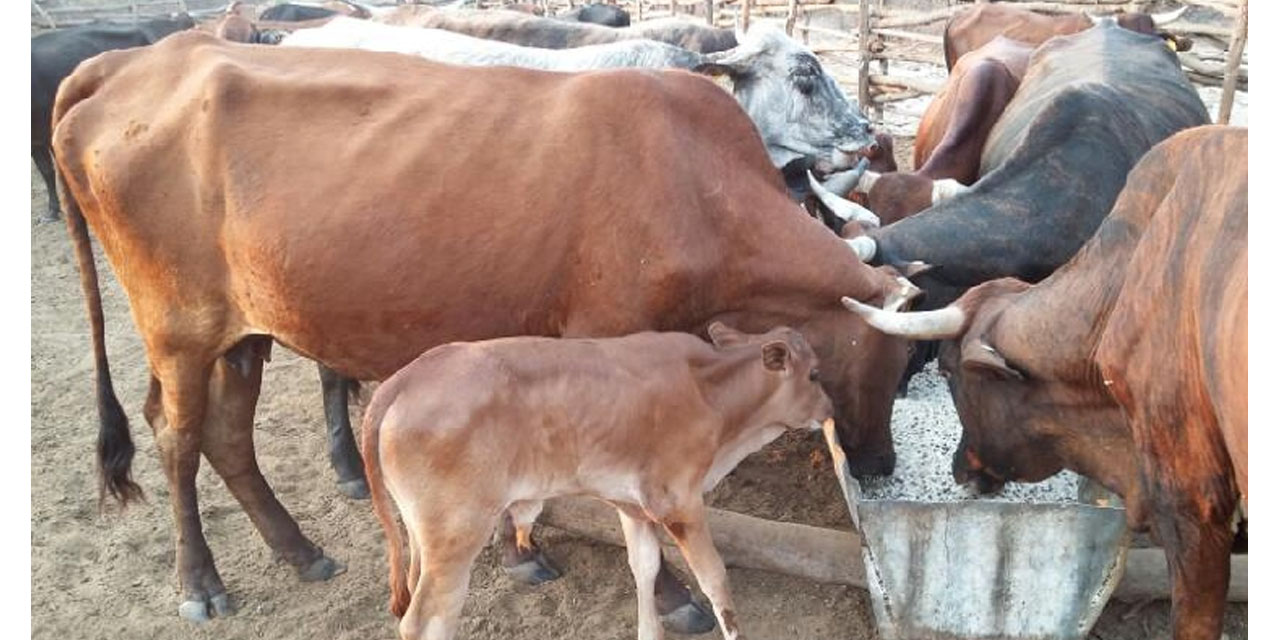
Namibia has intensified border biosecurity controls to prevent the foot-and-mouth disease virus from entering the country.
- Photo: Contributed


