
Allexer Namundjembo
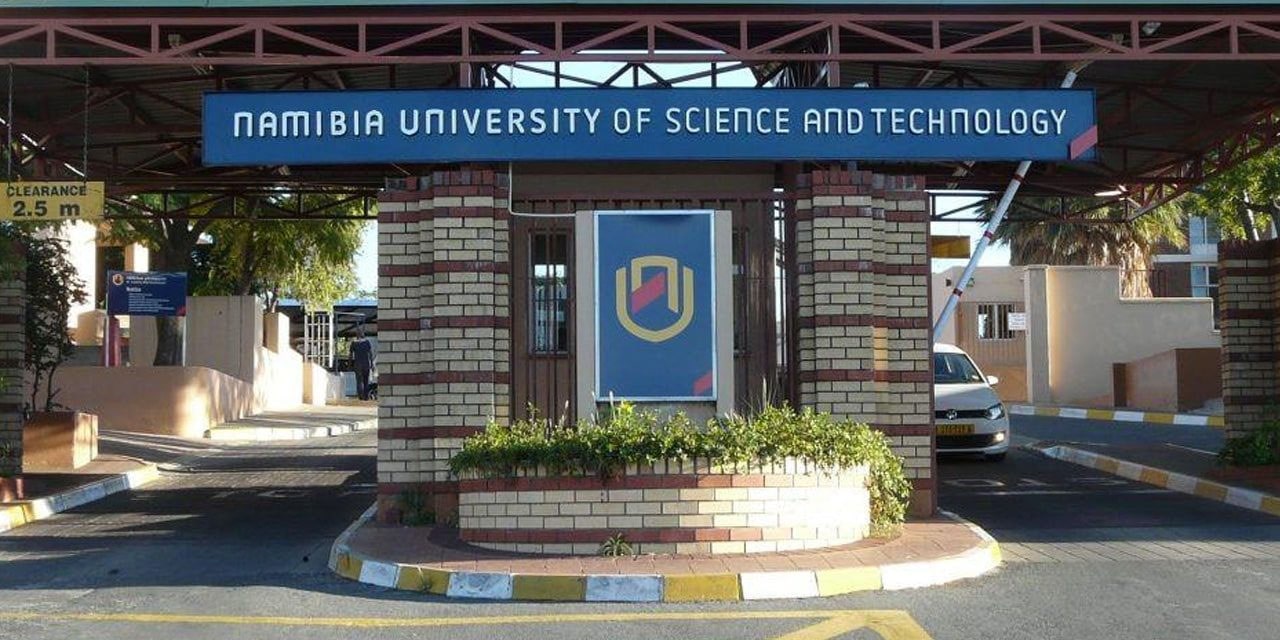
A 41-year-old student financial aid officer at the Namibia University of Science and Technology (Nust) was denied bail when she appeared in the Windhoek Magistrate’s Court on Thursday over an alleged fraud scheme involving more than N$2 million.
Maria Hengari faces charges of fraud and contravening the Prevention of Organised Crime Act.
The charges relate to the alleged acquisition and use of proceeds from unlawful activities.
State prosecutor Reinhard Kamatoto opposed bail. Kamatoto cited the seriousness of the case in denying bail and the strength of the state’s evidence as well as concerns that the accused could interfere with witnesses.
Kamatoto said statements are still being obtained from students linked to the matter and that granting bail would not be in the interest of justice or the public.
The court remanded Hengari in custody. The matter was postponed to 3 June for further investigations.
Hengari indicated that she intends to apply for legal aid.
The state alleges that between 2021 and 2024, Hengari used her position and access to the university’s financial system to clear students’ outstanding fees in exchange for payments made directly into her personal bank account and e-wallets.
The alleged actions resulted in losses to the university estimated between N$2.3 million and N$2.6 million.
According to court proceedings, she allegedly removed student balances from the system after receiving payments outside official university channels.
The case follows earlier concerns raised in 2024 by Affirmative Repositioning movement leader (AR) Job Amupanda, who alleged corruption in the university’s bursar office.
He alleged that some students graduated despite owing fees and urged the institution to disclose this information to the public.
Marius Tangeni, a student leader, stated that the university must take action if the allegations prove true.
“If we let the education system be controlled by those with money, then it will lose its credibility. The institution should track down those involved and try by all means to probe them,” he said.
Tangeni said the case points to gaps in oversight.
“This is not something that could happen in isolation for such a long period without gaps in oversight. The university must not only deal with the individuals involved but also strengthen its internal controls to prevent such incidents from happening again,” he added.
He said accountability should extend beyond the accused.
“Students need to trust that the system is fair. If some are allowed to bypass financial obligations through corrupt means, it disadvantages those who are working hard to comply with the rules.”
Tangeni also claimed similar practices may exist within the institution.
“They are paid as little as N$50 to release transcripts. This has been ongoing for a long time. There are also those paid to let students view their results. This maybe tells us how underpaid the workers are or the frustration of students who are denied their documents and desperately need them to apply for jobs. The institution should investigate and come up with a long-term solution; otherwise, this will continue,” he said.
A student activist who spoke to the Windhoek Observer on condition of anonymity said the case affects trust in the institution.
“This is not just about money; it’s about fairness. Students who struggle to pay fees obey the rules, so if others can bypass the system through payments, it compromises the integrity of the entire institution,” the activist said.
The university has not issued a statement following the arrest.


