Patience Makwele
More young Namibians are speaking openly about mental health in homes, on campuses and online, challenging long-standing silence and stigma.
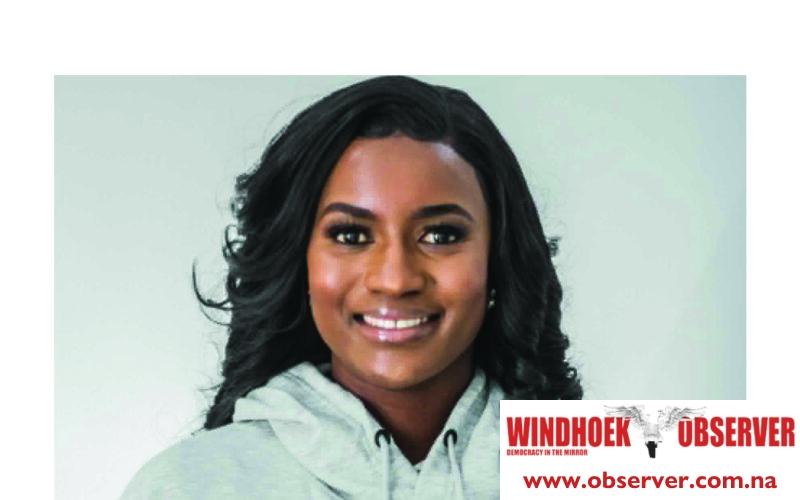
At the centre of this shift is Windhoek-based mental health practitioner DieMut Amushila, founder of NeuroBloom Psychology, whose work is drawing interest from young people seeking safe spaces to talk.
“Healing is possible not just for individuals but for the society at large,” she said.
Amushila has more than a decade of experience in neuropsychology and neuroscience.
She said her work goes beyond clinical care and focuses on changing how mental health is understood, especially among young people.
She said many young people face pressure from family expectations, unemployment, studies and social challenges, often without support.
One of the main barriers, she said, is cultural attitudes.
“The biggest challenge is that many still see silence as strength. In our black community many people were taught that suffering in silence is virtuous, especially men and older generations,” she said.
She said fear of judgement stops many from seeking help.
Amushila said young people need emotional skills from an early age.
“We honour traditions without letting them bury pain,” she said.
She said her leadership approach focuses on trust.
“Leadership means leading by example: I don’t always apply old clinical rules. I build trust by letting people be messy and fully seen,” she said.
She said her goal is to make mental health support part of daily life.
“I want NeuroBloom’s legacy to be a Namibia where mental health care is not a privilege or a stigma; it is as normal as a parent kissing their child’s scraped knee,” she said.
Her message to young people remains direct.
“Namibia doesn’t need more perfection; it needs your courage.”
For 28-year-old Welwitschia psychology student Maria Etuhole Kamatuka, voices like Amushila’s influenced her career choice.
“Growing up, mental health was never and is still something we never spoke about and still do not talk much about at home,” she tells the Young Observer.
“Even when things are difficult, you are expected to just move on because if you open up, chances are high it’ll be used against you as a weakness. Seeing professionals like Amushila speak openly made me realise this is something I want to be part of changing. I want to help people feel heard.”
Second-year social work student Martin Lutibezi Munalula said more young people are now considering careers in the field.
“Before, we didn’t really see people talking about therapy or trauma in a real way. Now it feels like something we can actually study and build a career in while helping our communities at the same time,” Martin said.
To address stigma, NeuroBloom engages young people through radio, workshops and awareness campaigns.
“It’s slow progress, but every open conversation is a win,” Amushila said.
She said mental health support must reflect people’s realities.
“Healing is not one-size-fits-all. At NeuroBloom, we start by truly listening to the person in front of us,” she said.
Mental health advocate Rebecca Mendai Saisai said more professionals are needed.
“We are seeing increasing cases of anxiety, depression and unresolved trauma among young people. What psychologists like Amushila are doing is important because it normalises mental health care, but we need more young Namibians to step into this space and build capacity,” Saisai said.
She said support should extend beyond clinics.
“Mental health cannot remain confined to clinics. It must be part of schools, communities and everyday conversations,” she said.